


Can Sealing Foundation Cracks Fix a Radon Problem
This is Part 3 of our six-part homeowner series about radon reduction systems. In the previous article, we answered “Why does the foundation determine the system design?” Now we turn to the next practical question: “Can sealing foundation cracks fix a radon problem?”
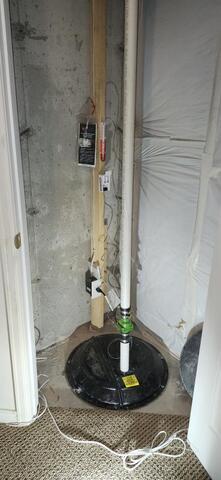
Homeowners often ask whether sealing cracks in the basement floor will solve a radon problem. Sealing is an important part of many installations, but it is usually a supporting measure rather than the primary method of radon reduction.
Why sealing helps
Visible cracks, sump openings, pipe penetrations, floor joints, and gaps around a crawlspace membrane can allow soil gas to enter. Sealing those openings can help a fan-powered system work more efficiently by limiting unwanted air leakage. It may also reduce the loss of conditioned air from the house.
Why sealing alone is unreliable
The U.S. Environmental Protection Agency does not recommend sealing alone as a radon solution because it has not been shown to reduce levels significantly or consistently. Some entry routes are hidden, concrete and foundations move over time, and new gaps can develop after the visible openings have been treated.
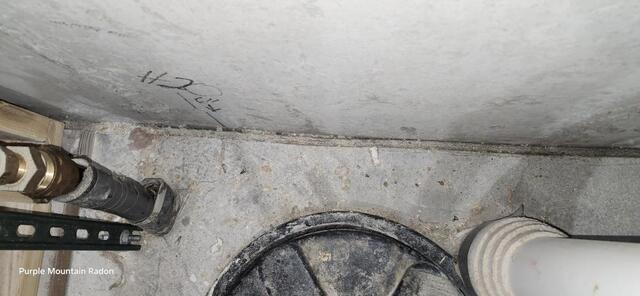
Pressure is the main control
In most homes, the dependable part of the system is the pressure change beneath the foundation. Active soil depressurization draws soil gas into piping and exhausts it outdoors before it reaches the living space. Sealing helps the system maintain that pressure difference, but the fan-powered suction provides the primary control.
A useful real-world example
A loose or unsealed sump lid can be a major entry point, so correcting it may produce a noticeable improvement. Even then, the only way to know the indoor radon concentration is to test. A lower short-term monitor reading is encouraging, but it should be followed by a properly conducted post-mitigation test.
If you are deciding between “just seal the cracks” and a complete mitigation system, start with the home’s test result and foundation layout. Purple Mountain Radon can explain which openings should be sealed and whether active depressurization is needed. Call 1-719-352-1528 for a free estimate.
Next in the series
If active suction provides the main control, the next question is which fan should provide it. Part 4 explains why the strongest fan is not automatically the right fan and how pressure, airflow, noise, and foundation conditions guide the choice.