


Why Your Foundation Determines the Radon System Design
Why Your Foundation Determines the Radon System Design
This is Part 2 of our six-part homeowner series about radon reduction systems. In the previous article, we answered “What does a radon reduction system actually do?” Now we turn to the next practical question: “Why does the foundation determine the system design?”
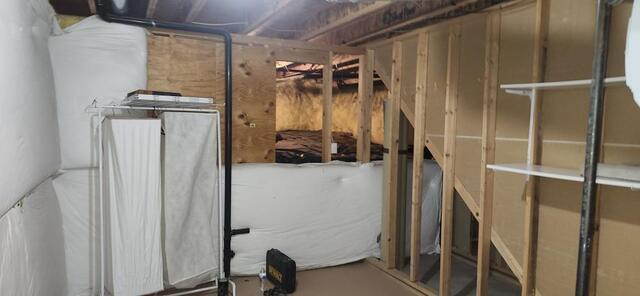
Two homes can have the same radon result and still need very different mitigation systems. The reason is underneath the house: the foundation determines where soil gas can travel, where suction can be applied, and whether one suction point can influence the entire footprint.
Basements and slab-on-grade homes
For a basement or slab-on-grade section, the installer commonly creates a suction point through the concrete or connects to a suitable existing drainage pathway. The goal is to establish useful airflow beneath the slab. The condition of the fill, interior footings, thickened slabs, and isolated sections can all affect how far that suction reaches.
Crawlspaces
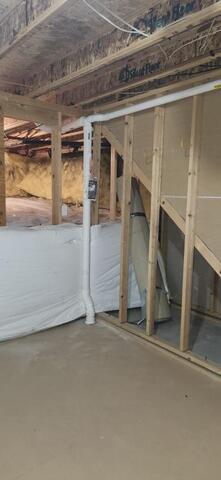
An exposed-soil crawlspace requires sub-membrane depressurization. The soil is covered with a durable membrane, and suction is applied beneath it. Seams, walls, support columns, pipes, and other penetrations must be sealed carefully so the fan can draw from below the membrane instead of simply pulling crawlspace air.
Mixed foundations and additions
Colorado Springs area homes often have more than one foundation type. A basement may connect to a crawlspace, or an addition may sit on a separate slab divided by a footing or foundation wall. Those areas may require separate suction points, connected piping, or occasionally more than one fan.
Why inspection matters
During an inspection, I look at the radon result, foundation layout, sump and drainage features, possible pipe routes, exterior appearance, electrical access, and future service access. Finished rooms, decks, window wells, rooflines, and utilities can influence the final plan. The best-looking route is only useful if it also performs properly.
A radon system should be designed for the actual structure, not selected from a menu without seeing the home. If you have an elevated result in Colorado Springs or a surrounding community, call Purple Mountain Radon at 1-719-352-1528 for a free mitigation estimate.
Next in the series
Once the foundation design is understood, homeowners often ask whether the problem can be solved by simply sealing visible openings. Part 3 explains where sealing helps, why it matters, and why sealing alone is rarely a dependable radon solution.