


What You Should Know About Your Radon Mitigation Systems
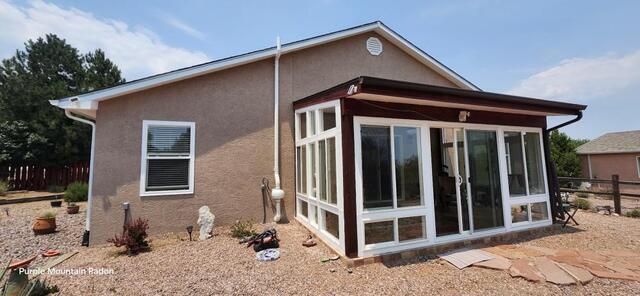
What You should Know About Radon Mitigation Systems.
Homeowners usually have more questions than “How much does a radon system cost?” They want to know what the system does, why one house may need a different design than another, whether sealing is enough, how the fan is selected, how to tell whether the system is working, and what happens after installation. This six-part series answers those questions one at a time, in short articles that can be read with a morning cup of coffee.
The six homeowner questions
- What does a radon reduction system actually do?
- Why does the foundation determine the system design?
- Can sealing foundation cracks fix a radon problem?
- Why does radon fan selection matter?
- How do you know a radon system is working?
- Why do radon systems need testing and maintenance?
- We will begin with the most basic question: what is the fan-and-pipe system actually doing beneath the home?
What Does a Radon Reduction System Actually Do
When someone hears “radon reduction system,” it is reasonable to picture a fan and a length of PVC pipe. Those are the visible parts, but the real work happens beneath the home. A properly designed system changes the pressure below the foundation so radon-laden soil gas is collected and moved outdoors before it can enter the living space.
The basic idea
Most Colorado homes with elevated radon are corrected with some form of active soil depressurization. A continuously operating radon fan creates suction beneath a basement slab, concrete floor, sump area, or sealed crawlspace membrane. The piping carries the collected soil gas to an approved exhaust point outside the occupied area, where it can disperse.
Why the fan stays on
The fan is not meant to run for a few hours and then shut off. Soil gas continues to move as weather, temperature, wind, and indoor pressure change. Continuous operation maintains the pressure difference that helps keep radon from moving into the house.
What the system does not do
A radon system does not “clean” radon out of the air like a portable air purifier. Its main job is to intercept soil gas at the foundation. It also does not guarantee a result simply because the fan is running. The completed installation still needs a post-mitigation radon test to confirm the indoor concentration.
The house determines the details
The principle is straightforward, but the design is not one-size-fits-all. A basement, slab-on-grade section, sump pit, crawlspace, addition, or mixed foundation can change where suction is applied and how the pipe is routed. That is why a good estimate begins with an inspection of the home rather than a preset package.
If you already have an elevated radon result, Purple Mountain Radon can inspect the foundation, explain the available options, and prepare a free mitigation estimate. Call 1-719-352-1528 or request an estimate online.
Next in the series
Now that we understand what a radon reduction system is trying to accomplish, the next question is how the house itself changes the plan. In Part 2, we will look at why basements, slabs, crawlspaces, additions, and mixed foundations can require very different system designs.